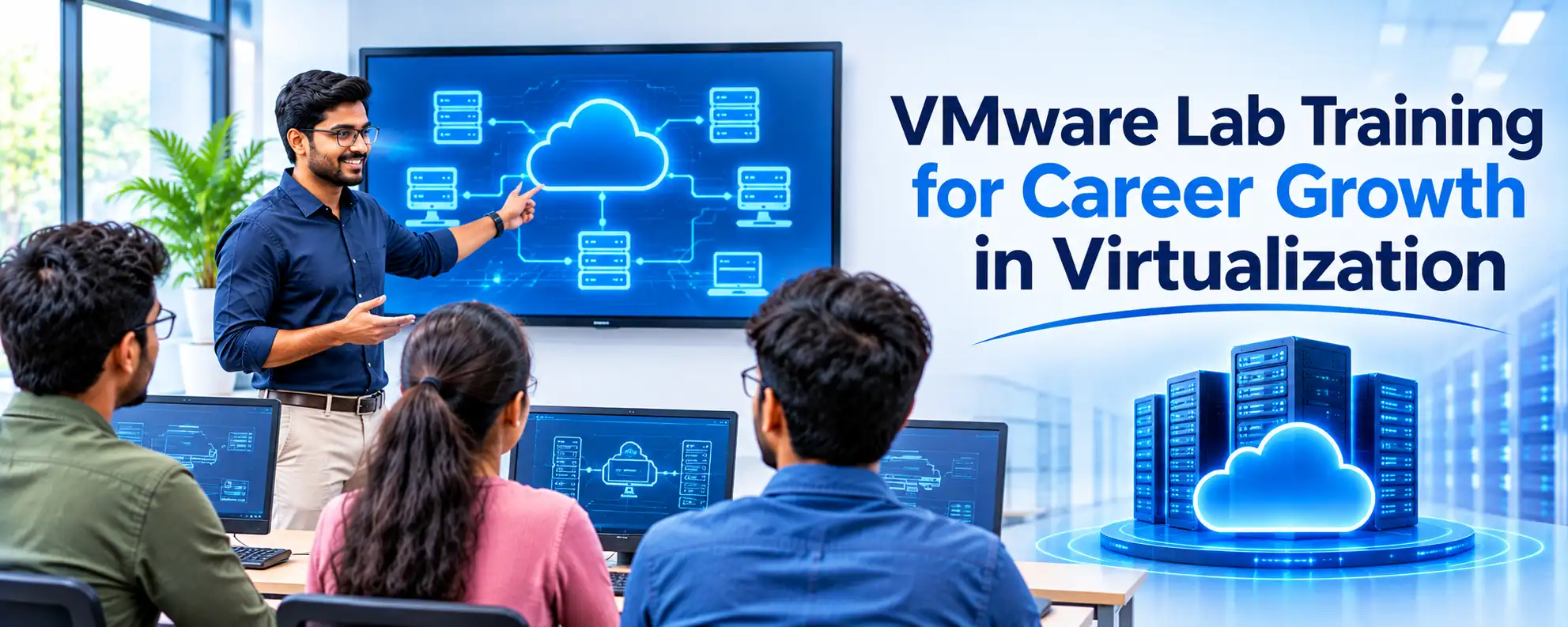
VMware Lab Training for Career Growth in Virtualization
Businesses use virtualization to manage IT resources, lower hardware costs, and run applications across their networks. Many organizations depend on virtual machines to run servers, store…
Businesses use virtualization to manage IT resources, lower hardware costs, and run applications across their networks. Many organizations depend on virtual machines to run servers, store data, and support business services.
IT professionals with virtualization knowledge can explore career opportunities in system administration, cloud infrastructure, and data center operations. VMware Lab Training helps learners understand virtualization through practical exercises. It gives students the chance to work with virtual machines, configure systems, and build skills for IT infrastructure roles.
Virtualization is a key part of modern IT environments. Companies use it to get more value from their hardware and run multiple workloads on fewer physical servers. Students who want to enter this field need technical knowledge and hands-on experience. Lab practice helps them understand the tools and tasks used by virtualization professionals.
What Is VMware Virtualization?
VMware virtualization allows organizations to create and manage virtual versions of physical computing resources. These resources include servers, storage, networks, and desktop environments. Instead of using one physical server for each operating system, an organization can use virtualization software to run multiple virtual machines on a single physical host.
Each virtual machine works as a separate system. It has its own operating system, memory, storage, and applications. IT teams can create, configure, monitor, and manage these machines based on business requirements.
VMware provides virtualization products and platforms for data centers and enterprise IT environments. VMware vSphere is a platform used to manage virtual infrastructure. It includes tools that help administrators manage ESXi hosts and virtual machines.
Understanding these concepts helps students learn how businesses manage servers and IT resources.
Why Is VMware Lab Training Important?
Reading about virtualization explains the concepts, but practical work helps students understand how the technology operates. A lab environment gives learners a place to perform tasks, test configurations, and learn from errors without affecting a live business system.
1. Understand Virtual Machine Creation
Virtual machines are a core part of virtualization. Students learn how to create a virtual machine, select its operating system, assign memory and CPU resources, and configure virtual storage.
They also learn how to install an operating system and check whether the virtual machine works as expected. These tasks build a foundation for server virtualization.
2. Learn ESXi Host Management
VMware ESXi is a hypervisor used to run virtual machines on physical server hardware. Students can learn how to install and configure ESXi, access its management interface, and review host settings.
Host management exercises help learners understand CPU, memory, storage, and network resource allocation.
3. Practice vCenter Server Management
vCenter Server provides centralized management for VMware vSphere environments. It helps administrators manage multiple ESXi hosts and virtual machines from one place.
Lab exercises can cover host connections, inventory management, resource organization, and virtual machine operations. These activities help students understand how enterprise virtualization environments work.
4. Develop Troubleshooting Skills
Virtual infrastructure can face issues related to storage, network connections, host resources, and virtual machine settings. Students need to understand how to check configurations and identify the source of a problem.
Lab practice gives learners a chance to investigate errors, review system information, and apply troubleshooting steps.
5. Gain Confidence With IT Tools
Practical sessions help students become familiar with VMware interfaces and administration tasks. Repeating common operations can improve their understanding of virtual infrastructure and prepare them for technical responsibilities.
Important Topics Covered in VMware Lab Training
A well-planned course should cover the main components of VMware virtualization. Students should learn how each component works and how administrators use it to manage virtual environments.
VMware ESXi Installation and Configuration
ESXi is the foundation of a VMware virtual environment. Students learn how to install the hypervisor on a physical server and configure its basic settings.
Training may include:
- ESXi installation and initial setup.
- Hostname and management network configuration.
- IP address and DNS settings.
- Host resource monitoring.
- Access and security settings.
These tasks help learners understand how a physical server becomes a virtualization host.
Virtual Machine Management
Virtual machine management is a key skill for VMware administrators. Students learn how to create, edit, start, stop, and remove virtual machines.
They may also practice installing guest operating systems, assigning hardware resources, connecting virtual disks, and configuring virtual network adapters. These activities explain how administrators manage different workloads on a single physical host.
VMware vCenter Server
vCenter Server helps administrators manage multiple ESXi hosts from a central interface. Students can learn how to add hosts, organize virtual machines, monitor resources, and manage infrastructure settings.
They can also explore features such as clusters, templates, and resource pools. These concepts are useful for understanding enterprise virtualization environments.
vMotion and High Availability
vMotion allows administrators to move running virtual machines between compatible hosts with minimal service interruption. High Availability (HA) helps restart virtual machines on other available hosts when a host failure occurs.
Learning these features helps students understand how organizations maintain service availability and manage virtual infrastructure.
Virtual Networking and Storage
Virtual machines need network and storage resources to communicate and store data. Students can learn about standard switches, port groups, datastores, and virtual disk management.
These topics help learners understand how virtual machines connect to networks and access storage in a VMware environment.
How Practical VMware Labs Support Career Growth
Practical labs help students connect classroom lessons with common workplace tasks. They provide a controlled environment where learners can explore VMware tools and practice administration activities.
A training program may include exercises such as:
- Installing and configuring an ESXi host.
- Creating virtual machines with different operating systems.
- Connecting ESXi hosts to vCenter Server.
- Managing virtual machine snapshots.
- Configuring virtual switches and port groups.
- Creating and managing datastores.
- Testing vMotion and HA features.
- Monitoring host and virtual machine performance.
- Troubleshooting virtual machine and network issues.
These activities help students understand the work involved in managing virtual infrastructure. They also give learners examples of technical tasks they can discuss during interviews.
When choosing a course, check whether the provider offers access to a lab environment, guided practice, and troubleshooting exercises. A course that includes these elements can help learners develop skills beyond theory.
Who Can Join VMware Lab Training?
VMware virtualization training can suit people who want to enter the IT infrastructure field or improve their existing technical knowledge.
IT Beginners: Students who want to learn server virtualization and understand how virtual machines work can start with basic concepts.
System Administrators: Professionals who manage Windows or Linux servers can expand their knowledge of virtual infrastructure.
Network Administrators: Network professionals can learn how virtual switches, port groups, and network settings support virtual machines.
Data Center Professionals: People working with physical servers and storage can explore virtualization tools used in data center environments.
IT Support Technicians: Support professionals can develop knowledge of virtual machines, host resources, and common infrastructure issues.
Basic knowledge of computer hardware, operating systems, and networking can help students follow the course topics.
VMware Training Certificate and Its Value
A can help learners show that they have completed a training program and studied key virtualization concepts. It may support their learning profile when applying for IT roles.
Students should understand the difference between a course completion certificate and an official vendor certification. A training provider may issue a certificate after course completion. Official VMware certification follows the requirements set by the certification program, which may include an exam or other assessment.
Before enrolling, check the course syllabus, certificate details, and exam preparation support. Learners who want an official credential should review the current certification requirements from the relevant vendor.
A certificate can support a candidate’s profile, but employers also look at practical skills, troubleshooting ability, and knowledge of IT infrastructure. Hands-on experience with VMware tools can help learners explain their technical abilities during interviews.
Career Opportunities After Learning VMware
Virtualization skills can support several career paths in IT. Job titles and responsibilities depend on the employer, experience, and technology environment.
VMware Administrator
A VMware administrator manages virtual machines, ESXi hosts, vCenter Server, and other virtualization resources. The role may include monitoring performance, managing storage, and troubleshooting virtual infrastructure.
Virtualization Engineer
Virtualization engineers design, configure, and maintain virtual environments. They work with hosts, virtual networks, storage, clusters, and resource allocation.
System Administrator
System administrators manage servers, operating systems, user accounts, and applications. VMware knowledge helps them work with virtual servers and support business IT services.
Data Center Engineer
Data center engineers help maintain server hardware, storage, networking, and virtualization platforms. They may work on infrastructure monitoring, capacity planning, and system maintenance.
Infrastructure Support Engineer
Infrastructure support engineers help resolve technical issues across servers, networks, and virtual environments. They may investigate virtual machine problems and support daily infrastructure operations.
Completing a course does not guarantee employment. Students should combine their training with practical projects, technical knowledge, communication skills, and interview preparation.
How to Choose the Right VMware Training Institute
The training provider plays an important role in the learning process. Students should compare course content, lab access, trainer experience, and learning support before joining a program.
Consider these points:
- Course Syllabus: Check whether the course covers ESXi, vCenter Server, virtual machines, networking, storage, vMotion, and HA.
- Lab Facilities: Look for access to practical environments where you can perform VMware administration tasks.
- Trainer Experience: Choose a provider with trainers who understand virtualization and data center operations.
- Troubleshooting Practice: Check whether the course includes exercises based on common infrastructure issues.
- Learning Support: Ask about doubt-clearing sessions, practice materials, and guidance during the course.
- Career Guidance: Review whether the institute offers resume support, mock interviews, or placement assistance.
A course should match your current skill level and career goals. Beginners may need a program that starts with virtualization basics, while experienced IT professionals may prefer advanced administration topics.
Conclusion
Virtualization helps businesses manage IT resources, support applications, and maintain server infrastructure. VMware skills can help students explore career paths in system administration, data center operations, and infrastructure management.
gives learners the chance to practice virtual machine creation, ESXi configuration, vCenter management, and troubleshooting. A can also support their learning profile when combined with practical knowledge and relevant experience.
Choose a course with a clear syllabus, hands-on labs, and trainer guidance to build a strong foundation in virtualization.
Discover more from RealTech IT Academy
Subscribe to get the latest posts sent to your email.