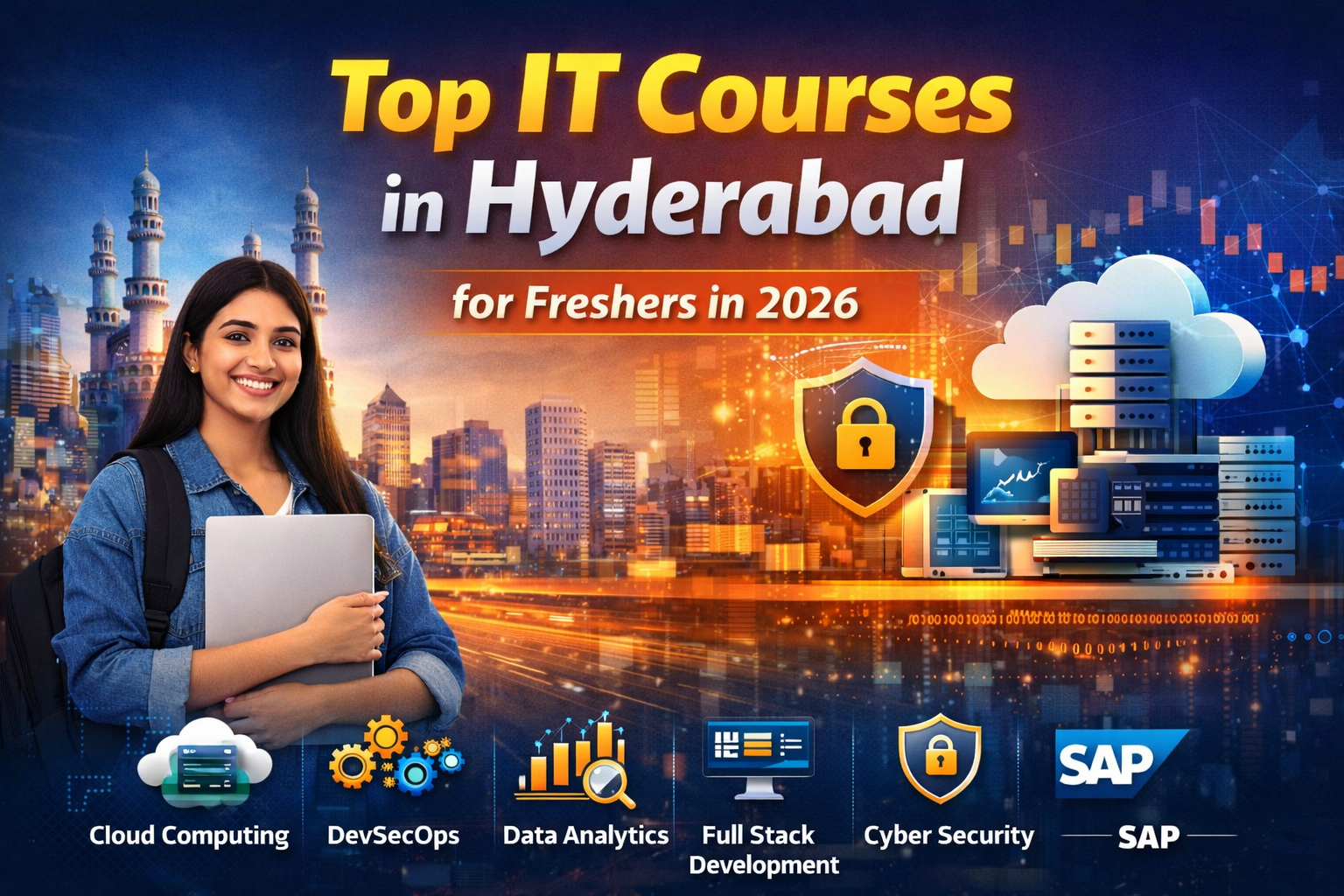
The Information Technology (IT) industry continues to grow rapidly, creating thousands of job opportunities for fresh graduates every year. However, many students completing their graduation often feel confused about how to begin their career in the IT field.
While earning a degree is an important step, most companies today look for candidates who possess practical technical skills, problem-solving abilities, and familiarity with modern tools and technologies.
For freshers, starting a career in IT requires the right combination of technical knowledge, hands-on experience, and career guidance. By following a structured approach, students can successfully enter the IT industry and build a long-term professional career.
This guide explains the step-by-step process to start your career in the IT industry and develop the skills needed to succeed.
Understand the IT Industry
Before choosing a career path, it is important to understand how the IT industry works and what opportunities it offers.
The technology sector includes multiple domains such as:
Cloud computing
Software development
Data analytics
Cyber security
DevOps and automation
Enterprise technologies
Each domain requires different skills and knowledge. Freshers should explore these areas and understand which field matches their interests and strengths.
Learning about industry trends also helps students identify technologies that are in high demand and offer better career opportunities.
Choose the Right Technology Domain
Selecting the right specialization is one of the most important steps in building an IT career.
Some students enjoy programming and software development, while others may prefer infrastructure management, cloud platforms, or data analysis.
Popular career domains in the IT industry include:
Cloud Computing
Cloud technologies help companies run applications and store data on remote infrastructure instead of physical servers.
Virtualization and Infrastructure Management
Virtualization platforms allow organizations to run multiple systems efficiently on shared hardware.
DevOps and Automation
DevOps practices help companies automate software development and deployment processes.
Data Analytics
Data analysts help organizations understand business trends by analyzing large volumes of data.
Cyber Security
Security professionals protect systems, networks, and data from cyber threats.
Choosing a technology domain based on interest and market demand helps students build a focused career path.
Learn Industry-Relevant Skills
One of the biggest challenges freshers face while searching for jobs is the gap between academic learning and industry requirements.
Companies prefer candidates who are familiar with modern tools, technologies, and real-world IT environments.
To improve employability, freshers should focus on learning:
Cloud platforms
Infrastructure management tools
Automation technologies
Data analysis tools
Security practices
Learning these skills helps students understand how real IT systems operate.
Work on Real-Time Projects
Practical experience is extremely important for building confidence and demonstrating technical skills during job interviews.
Students should try to work on projects that simulate real-world IT environments.
Examples of useful projects include:
Setting up virtual machines in a virtualization platform
Creating a cloud-based infrastructure setup
Building a small web application
Developing a data analytics dashboard
Automating system deployment tasks
Projects help students understand how technologies are applied in real business scenarios.
Build a Strong Technical Resume
A well-structured resume plays an important role in helping freshers secure job interviews.
Your resume should clearly highlight:
Technical skills
Training programs completed
Project experience
Certifications
Educational background
Freshers should keep their resume simple, professional, and focused on relevant technical abilities.
Including project experience and practical skills helps recruiters understand your technical capabilities.
Prepare for Technical Interviews
Technical interviews are designed to evaluate a candidate’s understanding of concepts, tools, and real-world problem-solving skills.
Freshers should prepare by:
Reviewing technical fundamentals
Practicing interview questions
Participating in mock interviews
Improving communication skills
Preparation helps candidates feel confident and perform better during interviews.
Gain Practical Industry Training
Many freshers choose professional training programs to bridge the gap between academic learning and industry expectations.
Industry-focused training programs provide:
Hands-on lab practice
Real-time project experience
Guidance from experienced trainers
Resume building support
Interview preparation assistance
Training programs help students develop practical technical skills and understand how technologies are used in real organizations.
Institutes such as RealTech IT Academy focus on providing job-oriented IT training that helps students gain industry exposure and develop the skills required to start their careers in the technology sector.
Stay Updated with Technology Trends
The IT industry evolves quickly as new technologies continue to emerge.
Professionals who keep learning and updating their skills can adapt to industry changes and grow faster in their careers.
Freshers should regularly:
Learn new tools and technologies
Practice technical skills
Follow industry news and trends
Participate in technical communities
Continuous learning is one of the most important habits for long-term success in the IT field.
Start Your IT Career with Confidence
Starting a career in the IT industry may seem challenging at first, but with the right preparation and dedication, freshers can successfully enter the technology sector.
By choosing the right domain, developing practical skills, working on real-time projects, and preparing for interviews, students can build a strong foundation for their professional journey.
The IT industry offers excellent career opportunities in areas such as cloud computing, virtualization, DevOps, data analytics, cybersecurity, and enterprise technologies.
With proper guidance, hands-on experience, and continuous learning, freshers can confidently take their first step toward a successful IT career.