Benefits of Hands-On Data Center Practice
Modern businesses depend on reliable technology to run applications, store information, manage networks, and support employees. A Data Center plays an important role in keeping these…
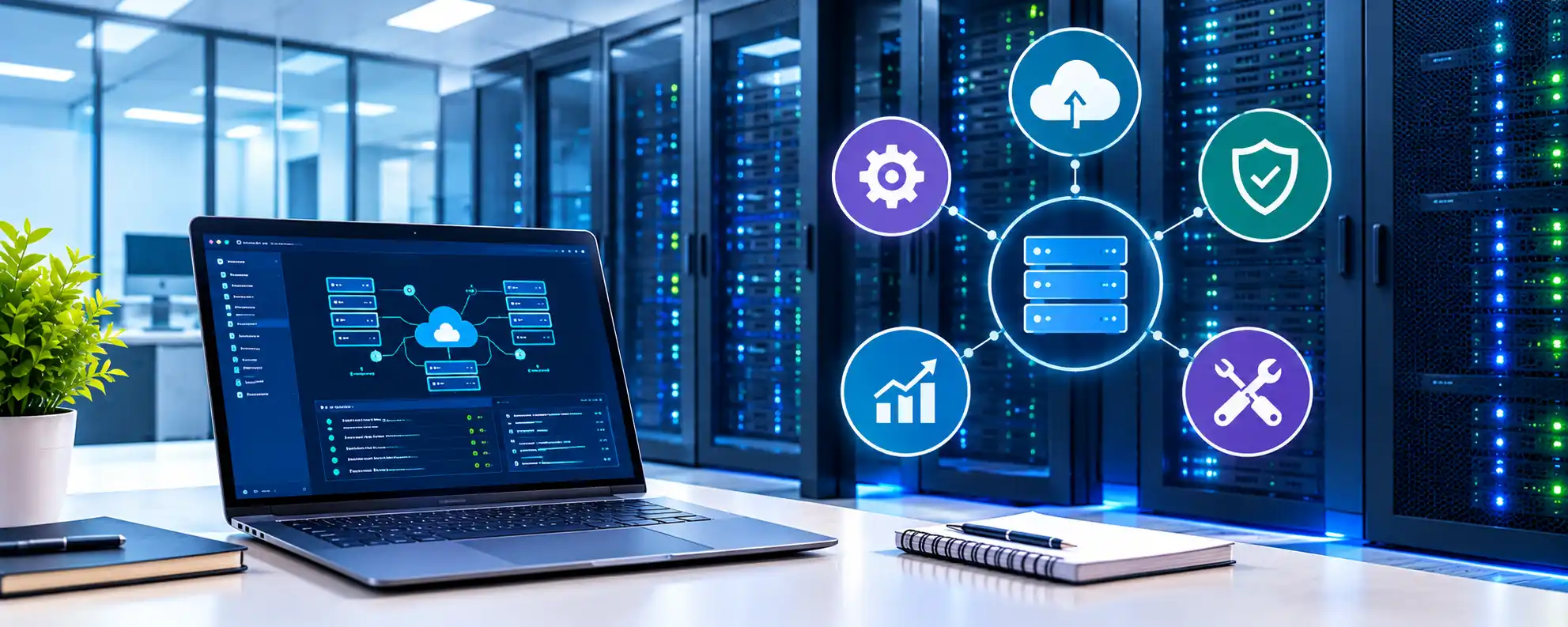
Modern businesses depend on reliable technology to run applications, store information, manage networks, and support employees. A Data Center plays an important role in keeping these systems available and organized. For students and IT professionals, learning through practical work can make technical concepts easier to understand. Data Center training institute programs that include hands-on practice can help learners gain confidence while working with servers, networking, storage, virtualization, and monitoring tools.
Understanding the Role of a Data Center
A Data Center is a controlled environment where organizations manage servers, storage systems, networking equipment, applications, and other IT resources. These facilities support websites, business applications, cloud services, databases, and internal systems.
Learning about a data center only through books or videos may not provide enough understanding. IT infrastructure involves many connected components. A small configuration change can affect other systems. Hands-on practice allows learners to see these connections and understand how different technologies work together.
Practical learning also helps beginners understand concepts that may seem complex during classroom study. Working with real or simulated infrastructure gives students a better idea of what they may face in an IT workplace.
Why Hands-On Practice Matters
IT administration requires more than knowing technical terms. Professionals need to configure systems, identify problems, follow procedures, and respond to unexpected issues.
Hands-on practice gives learners an opportunity to perform these activities. Instead of only reading about server configuration, students can work through the process. They can create configurations, test them, identify mistakes, and correct them.
This approach can improve technical understanding and problem-solving ability. It also helps learners remember concepts because they use them during practical tasks.
A good Data Center training institute should give learners enough lab time to practice important infrastructure tasks.
Learn Server Management Through Practice
Servers are a core part of most IT environments. Beginners need to understand how servers operate and how administrators manage them.
Hands-on exercises can cover server installation, operating system configuration, resource management, user access, services, updates, and basic troubleshooting.
Students can practice tasks such as:
- Installing and configuring server operating systems
- Creating users and managing permissions
- Managing server resources
- Configuring common services
- Checking system performance
- Applying updates and patches
- Identifying basic server problems
These activities help learners understand what server administration looks like in a real workplace.
Build Networking Knowledge
Networking is another important area of infrastructure management. Servers need reliable network connections to communicate with users, applications, storage systems, and other servers.
A practical Data Center environment allows learners to understand networking concepts through direct exercises. They can work with IP addresses, network interfaces, switches, virtual networks, and connectivity testing.
For beginners, practical networking can answer questions that are difficult to understand from theory alone. Learners can see what happens when a configuration is incorrect and how administrators investigate connectivity issues.
This experience can also support further learning in network administration, virtualization, cloud computing, and security.
Gain Experience With Virtualization
Virtualization has changed the way many organizations manage infrastructure. Instead of using one physical server for every workload, businesses can run multiple virtual machines on shared physical resources.
Hands-on labs allow students to create virtual machines, assign resources, configure virtual networks, and monitor workloads. They can also learn how virtual machines interact with physical servers and storage.
This practical exposure helps learners understand virtualization as part of a complete infrastructure environment rather than as an isolated technology.
A structured Data Center training institute can combine server administration with virtualization exercises so learners understand how both areas connect.
Understand Storage and Backup
Data storage is essential for business operations. Servers and applications need reliable storage to keep files, databases, virtual machines, and other information.
Hands-on practice can help learners understand storage concepts such as capacity, allocation, performance, and availability. Students can also learn why backup planning matters.
Practical exercises may include creating backup jobs, checking backup results, restoring sample data, and identifying storage-related problems.
These tasks can help beginners understand that infrastructure management is not only about keeping systems running. Protecting business information is also an important responsibility.
Improve Troubleshooting Skills
Troubleshooting is one of the most useful skills for an IT professional. Systems may experience network failures, storage issues, service errors, resource problems, or configuration mistakes.
A practical lab gives learners a safe environment where they can investigate these issues. They can check logs, review configurations, test connections, monitor resources, and identify possible causes.
For example, a learner may find that a virtual machine cannot connect to a network. Instead of receiving the solution from a trainer, the student can check the network adapter, virtual switch, IP settings, and connectivity step by step.
This process builds logical thinking. It also prepares learners for situations where there may not be a simple answer.
Learn Data Center Monitoring
Infrastructure teams need to monitor systems to identify problems before they affect users. Monitoring can include server health, CPU usage, memory consumption, storage capacity, network traffic, and service availability.
During practical sessions, learners can work with monitoring tools and understand what different performance indicators mean.
A Data Center environment also helps students understand why regular monitoring matters. A server that appears healthy today may develop a resource problem as workloads increase.
Practical monitoring exercises can help learners recognize unusual activity and understand when further investigation is needed.
Develop Workplace Confidence
Many beginners feel unsure when they first work with servers or infrastructure equipment. Practical experience can reduce this hesitation.
When students repeatedly perform common tasks, they become more comfortable with technical tools and procedures. They learn how to approach a problem instead of waiting for someone to provide the answer.
A Data Center training institute with practical labs can provide this learning environment. Trainers can guide students during exercises while allowing them to complete tasks independently.
This balance is useful because IT professionals often need to make decisions and solve problems without constant supervision.
Connect Different IT Skills
One of the main benefits of practical infrastructure learning is that it connects different technical areas.
A learner may start with server administration and then see how networking, storage, virtualization, security, backup, and monitoring support the same environment.
This broader understanding is useful for people planning careers in system administration, infrastructure administration, virtualization, cloud support, and data center operations.
Instead of learning each technology separately, students can understand how the technologies work together to support business services.
Prepare for Real IT Responsibilities
Employers expect IT professionals to handle practical responsibilities. These can include managing systems, checking performance, resolving issues, following security practices, maintaining backups, and documenting changes.
Hands-on training cannot replace workplace experience, but it can provide a useful foundation before entering an IT role.
Students who practice common infrastructure tasks can approach technical interviews with a clearer understanding of how systems operate. They can also explain the steps they would take when dealing with common problems.
Practical experience makes technical knowledge more useful because learners understand how concepts apply to actual tasks.
Choosing the Right Practical Training
When selecting a Data Center training institute, learners should look beyond course names. The quality of practical exposure matters.
Check whether the program includes server administration, networking, virtualization, storage, backup, monitoring, and troubleshooting. Ask about lab access and the type of practical activities included.
A useful program should allow learners to perform tasks instead of only watching demonstrations.
It is also helpful to choose training that matches your career goal. Beginners may need strong fundamentals, while experienced IT professionals may prefer advanced infrastructure and troubleshooting practice.
Conclusion
Hands-on learning can make infrastructure concepts easier to understand and apply. Working with servers, networks, storage, virtualization, backups, and monitoring gives learners a practical view of how modern IT environments operate.
A Data Center environment provides a strong setting for developing these skills. With the right Data Center training institute, learners can practice technical tasks, improve troubleshooting abilities, and gain confidence before entering professional IT roles.
Consistent practice is one of the best ways to turn technical knowledge into useful workplace skills. For anyone planning a career in IT infrastructure, practical data center experience can provide a strong foundation for future learning and career growth.
Discover more from RealTech IT Academy
Subscribe to get the latest posts sent to your email.